
A short Big Island history
Polynesian voyagers reached the Hawaiian islands in double-hulled canoes, roughly between 1000 and 1200 CE. Centuries later, Kamehameha I was born in North Kohala, and in 1779 Captain James Cook sailed into Kealakekua Bay on the Kona coast. Sugar plantations brought workers from abroad, tsunamis reached Hilo in the 20th century, and the volcanoes have never stopped adding and taking land.
Much of this history can be visited. The Captain Cook Monument stands at Kaʻawaloa on Kealakekua Bay, which you reach on foot or with Kealakekua Bay snorkel and kayak tours. Huliheʻe Palace in Kailua-Kona and the Pacific Tsunami Museum in Hilo tell other parts of the story.
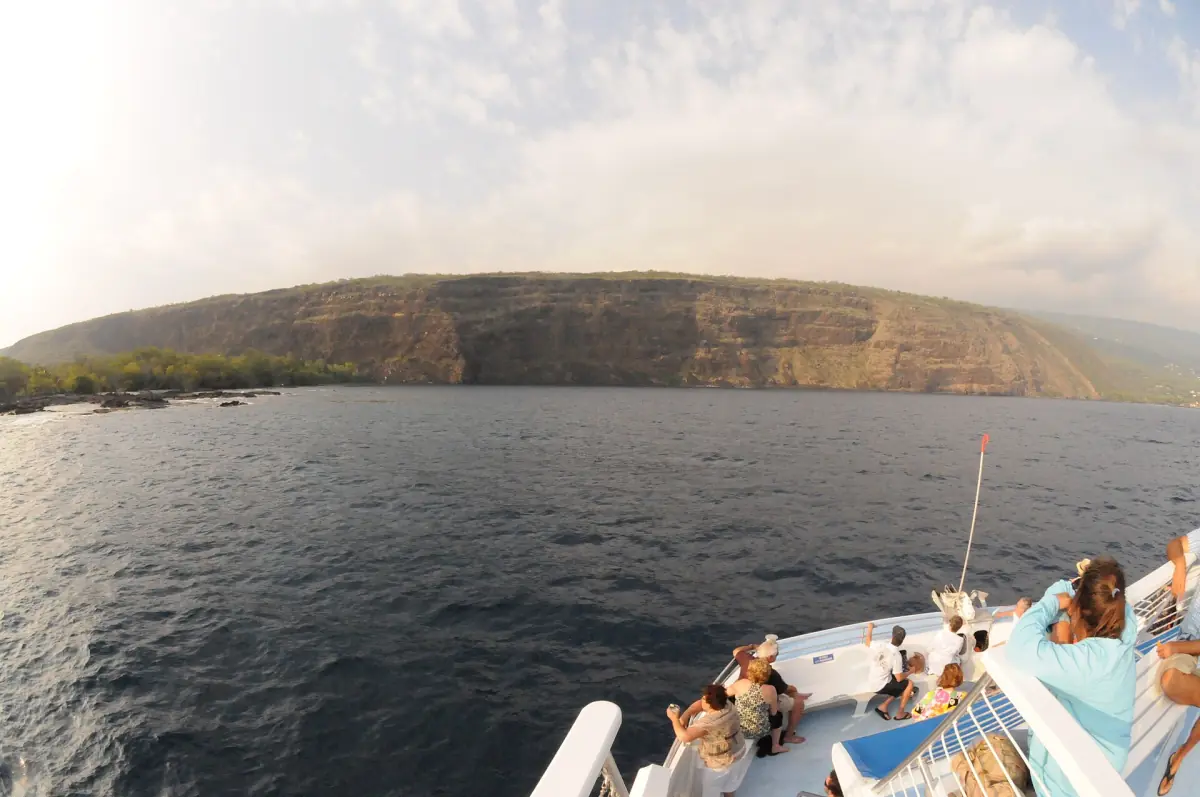
Big Island history timeline
Key dates and where to see the traces today.
| Date | Event | Where to see it today |
|---|---|---|
| About 1000 to 1200 | Polynesian settlement of the Hawaiian islands | – |
| 1753 to 1761 | Kamehameha I born in North Kohala, possibly in November 1758 | North Kohala |
| 1779 | Captain Cook arrives at Kealakekua Bay | Kealakekua Bay State Historical Park |
| 1800/1801 | Last eruption of Hualālai | Slopes above Kailua-Kona |
| 1917 | Liliʻuokalani Gardens dedicated to Japanese sugar cane workers | Banyan Drive, Hilo |
| 1 April 1946 | Aleutian earthquake sends a tsunami across the Pacific | Pacific Tsunami Museum, Hilo |
| 22 May 1960 | Chilean earthquake sends a tsunami across the Pacific | Pacific Tsunami Museum, Hilo |
| 3 May 2018 | Kīlauea eruption begins in Leilani Estates | Lower Puna |
| 2022 | Mauna Loa erupts, declared over on 13 December 2022 | Mauna Loa |
The tsunami dates are the dates of the earthquakes, not the arrival time of the waves in Hilo. For most visitors, a good history day combines Kealakekua Bay and Puʻuhonua o Hōnaunau on the Kona coast; a second day in Hilo adds the gardens and the tsunami museum.
Our pick: the history of Kealakekua Bay
A local guide tells the story of the bay on this evening cruise.
Hand-picked tours, booked through Viator. Prices are indicative starting prices in US dollars (as of October 2026). Tap a tour for live availability and the current price in your currency.
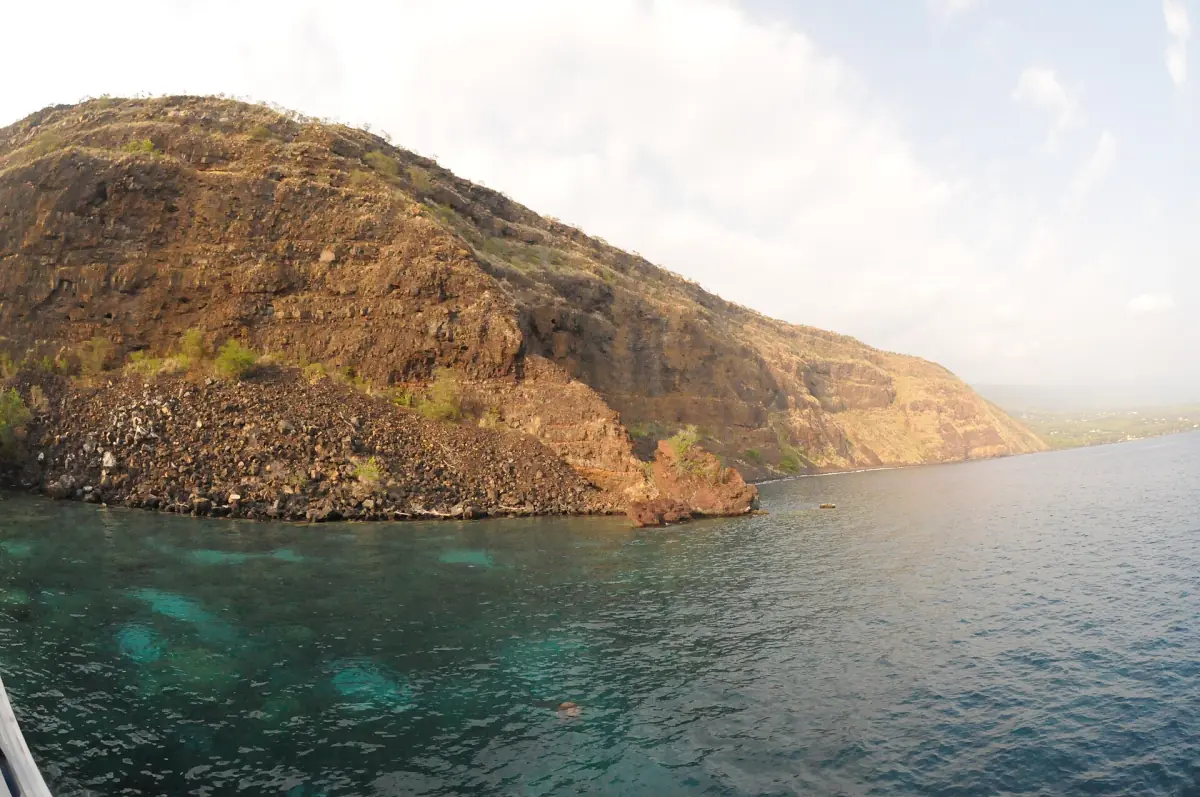
Big Island history on a tour
Captain Cook Monument snorkel cruises, guided kayak trips on Kealakekua Bay and island tours via Hilo, with live prices and availability.
Polynesian voyagers and Hawaiian culture
The first people to live on the Hawaiian islands came from Polynesia in double-hulled canoes, roughly between 1000 and 1200 CE. That period covers the whole island chain, so there is no single known year for the first landing on the Big Island. Hawaiian culture shaped the island long before any European ship arrived.
Hawaiian names carry the ʻokina and the kahakō, as in Hawaiʻi, Kīlauea and Hōnaunau. This guide uses those spellings because they are part of the names, not decoration.
Puʻuhonua o Hōnaunau
Puʻuhonua o Hōnaunau National Historical Park on the Kona coast protects a Hawaiian cultural site with the Royal Grounds. Entry costs $20 per private vehicle with up to 8 people, $15 per motorcycle and $10 per person on foot or by bike from age 16, with children up to 15 free (2026). Passes are valid for 7 days, and payment is cashless. The Royal Grounds and Keoneʻele are not an entry point for swimming or snorkeling. The snorkel spot Two Step lies outside the park, at the Hōnaunau Bay boat launch.
Kamehameha I and North Kohala
Kamehameha I, also called Kamehameha the Great, was born in North Kohala in the island's north. His birth year is uncertain: estimates range from 1753 to 1761, with November 1758 as a possible date.
Huliheʻe Palace in Kailua-Kona
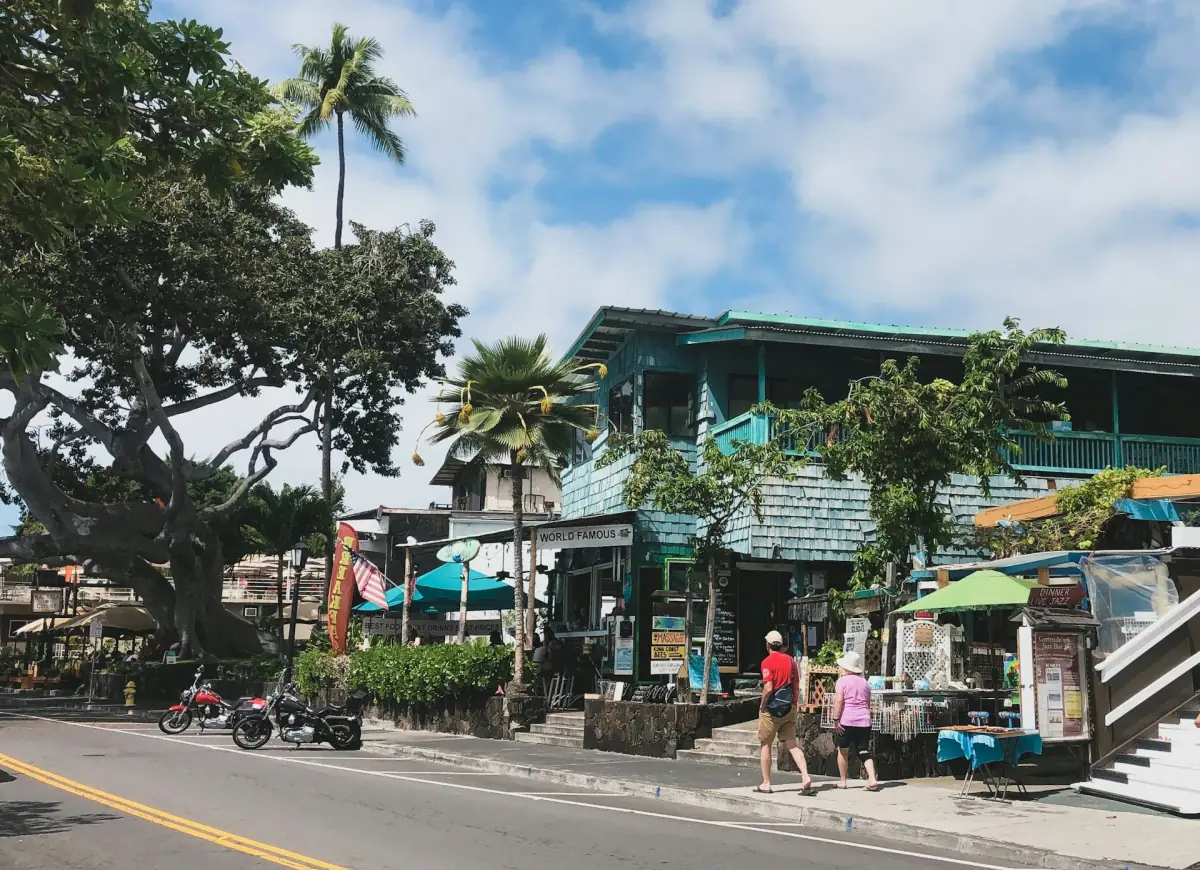
On Aliʻi Drive in Kailua-Kona, Huliheʻe Palace is open as a museum. Opening times are Wednesday to Saturday from 10:00 a.m. to 3:00 p.m., with last entry at 2:30 p.m.; Saturday hours can run to 3:30 p.m., so check before you go. Self-guided entry is $16 for adults aged 18 to 64, $14 for ages 6 to 17 and $12 for seniors from 65, with children up to 5 free (2026). A guided tour usually starts at 11:30 a.m. for $20 at any age and needs a reservation. The palace has no parking of its own; public parking is within walking distance on Kuakini Highway. More in the Kailua-Kona guide.
Captain Cook at Kealakekua Bay
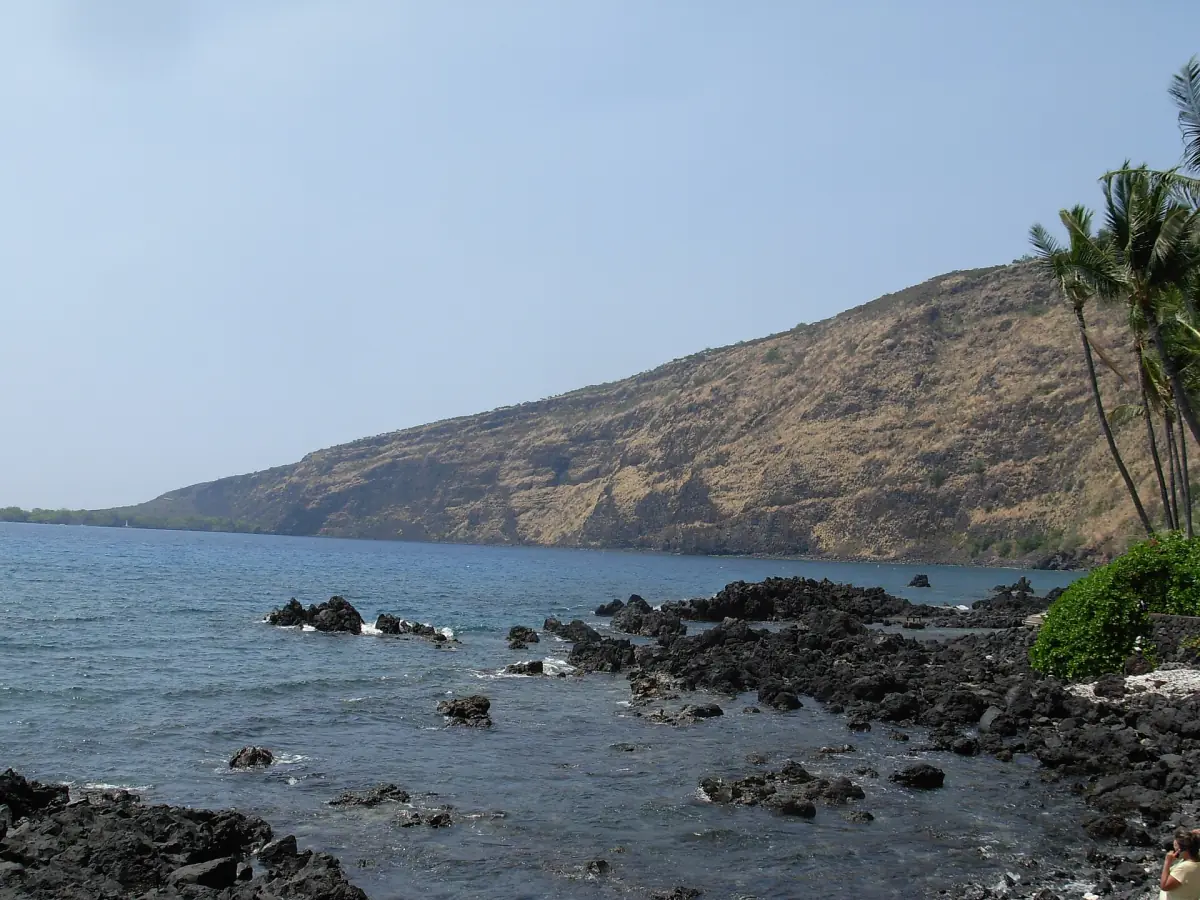
Captain James Cook arrived at Kealakekua Bay in 1779. He did not discover an empty island: Hawaiians had lived here for centuries. The bay is now Kealakekua Bay State Historical Park, open daily from 7:00 a.m. to 8:00 p.m. with free entry (2026). Toilets are only in the Nāpōʻopoʻo section.
The Captain Cook Monument stands on the Kaʻawaloa Flats. You reach it on the historic Kaʻawaloa Trail or with a permitted guided kayak tour. A normal transit permit for a kayak does not allow landing at Kaʻawaloa, and every boat on the bay, including rented kayaks, needs a valid State Parks permit. Do not enter Hikiau Heiau, the temple site by the bay.
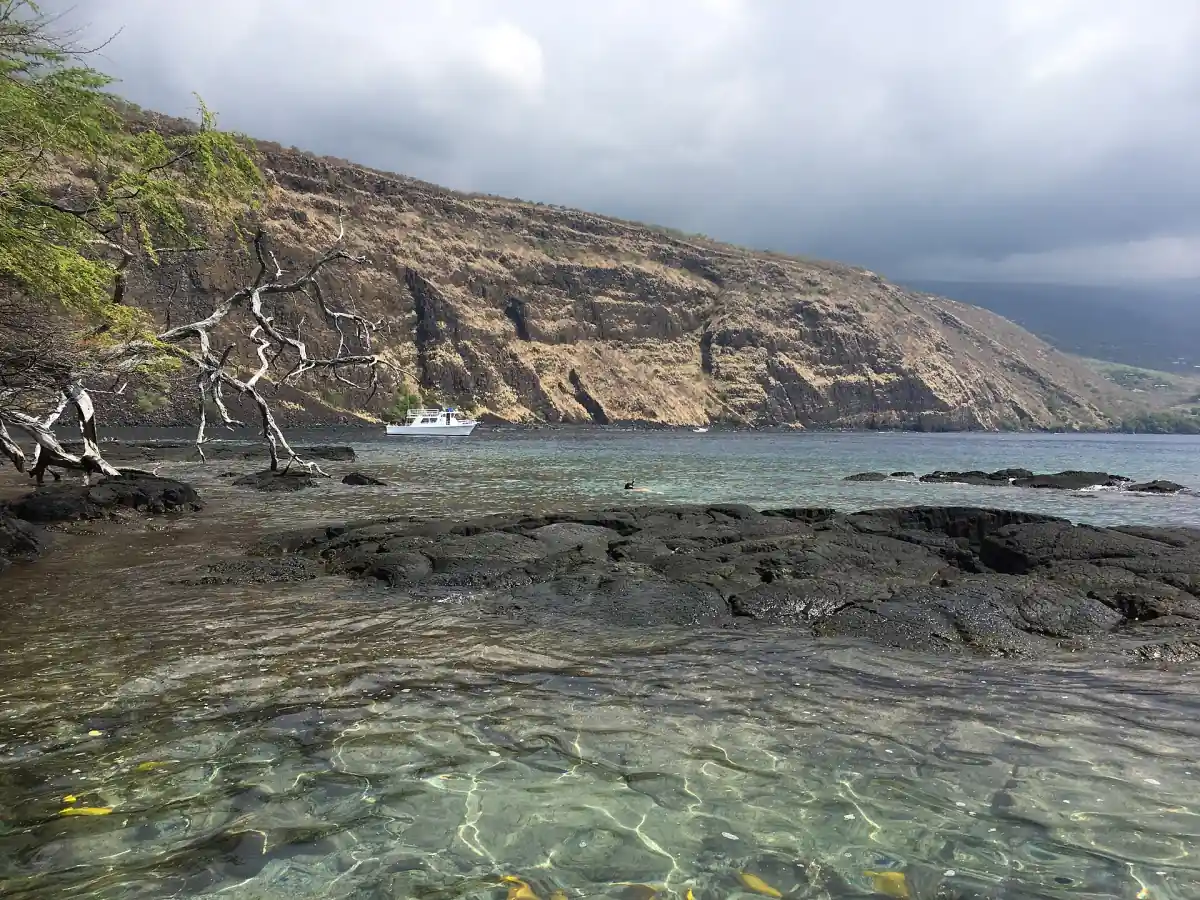
Snorkel cruises from Kailua-Kona visit the bay for its reef; landing at Kaʻawaloa is only allowed within the limits of permitted guided tours. The Kealakekua Bay guide compares the ways to get there.
Sugar, immigration and Hilo
Sugar cane fields were part of the island's working life, and immigrants came to work in them. In Hilo, Liliʻuokalani Gardens on Banyan Drive was dedicated in 1917 to honor the early Japanese workers in the island's sugar cane fields. The Japanese-style garden by Hilo Bay is free and open 24 hours. The Hilo guide covers the town, the falls and the farmers market.
Tsunamis of 1946 and 1960
Two tsunamis stand out in Hilo's history. They followed the Aleutian earthquake of 1 April 1946 and the Chilean earthquake of 22 May 1960, and the waves crossed the Pacific to Hawaiʻi. The Pacific Tsunami Museum at 130 Kamehameha Avenue tells this story. It is open daily from 10:00 a.m. to 4:00 p.m.; check the current hours before you go. Entry is $15 for adults, $10 for seniors from 65 and military, $5 for ages 6 to 17, with children up to 5 free (2026).
Volcanoes that write history
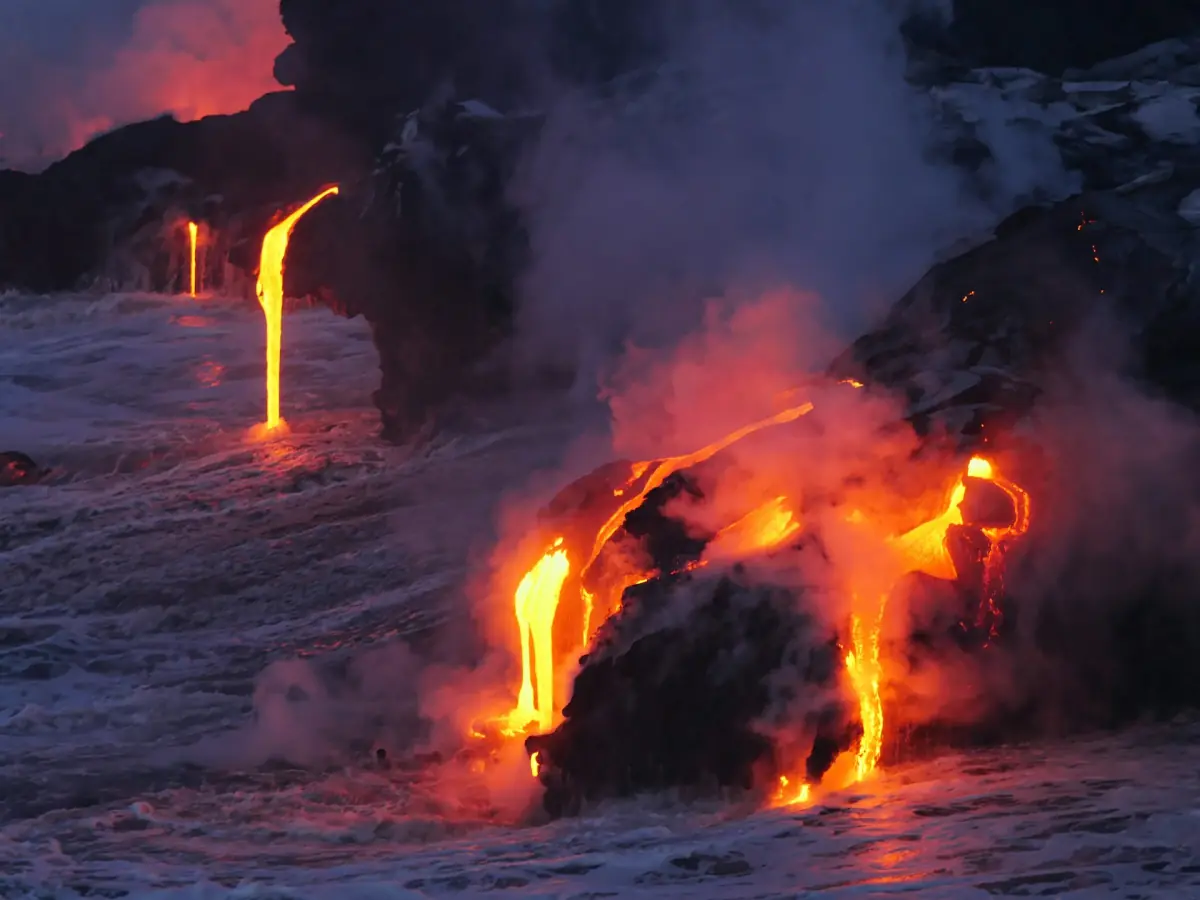
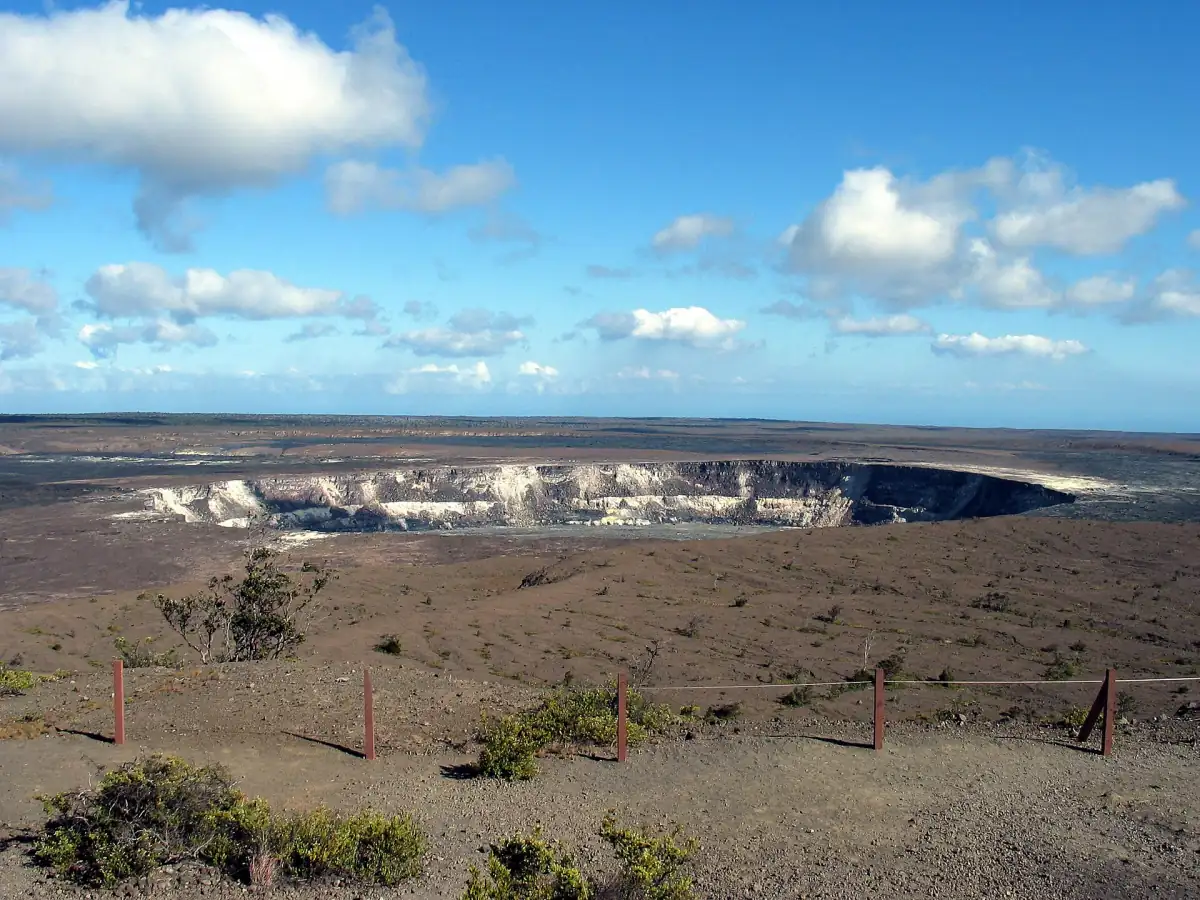
On the Big Island, history and geology overlap. Hualālai above Kailua-Kona last erupted in 1800/1801. On 3 May 2018, a Kīlauea eruption began in Leilani Estates in lower Puna. The lava destroyed homes in Kapoho and Vacationland and filled Kapoho Bay in early June 2018. That flow is history, not a place to see lava today.
Mauna Loa erupted in 2022, and the eruption was declared over on 13 December 2022. The coast also changes without lava: the Hōlei Sea Arch in the national park collapsed between 23 and 27 September 2026. For the current state of Kīlauea and the park, see the Hawaiʻi Volcanoes National Park guide.
Big Island history: questions
When did Captain Cook come to the Big Island?
He arrived at Kealakekua Bay in 1779. The Captain Cook Monument stands at Kaʻawaloa on the bay, reached on the Kaʻawaloa Trail or with a permitted guided kayak tour.
Where was Kamehameha born?
In North Kohala. The year is uncertain, between 1753 and 1761, possibly November 1758.
When were the Hawaiian islands first settled?
Polynesian voyagers arrived roughly between 1000 and 1200 CE. That range covers the island chain, not a known year for the Big Island alone.
Which tsunamis hit Hilo?
The tsunamis after the Aleutian earthquake of 1 April 1946 and the Chilean earthquake of 22 May 1960. The Pacific Tsunami Museum in Hilo covers both.
Can I see the 2018 lava flow area?
The 2018 eruption in lower Puna destroyed homes in Kapoho and filled Kapoho Bay. It is a historic event, not a lava viewing site. For current volcanic activity, check the national park and USGS notices.