
Hawaii Volcanoes National Park in brief
Hawaiʻi Volcanoes National Park lies in the southeast of the Big Island, about 30 miles or 45 minutes from Hilo on Highway 11. From Kailua-Kona it is about 95 miles and 2 to 2.5 hours on the southern route, or 125 miles and 2.5 to 3 hours via Waimea and Hilo. The main park is open 24 hours a day, every day of the year, including holidays.
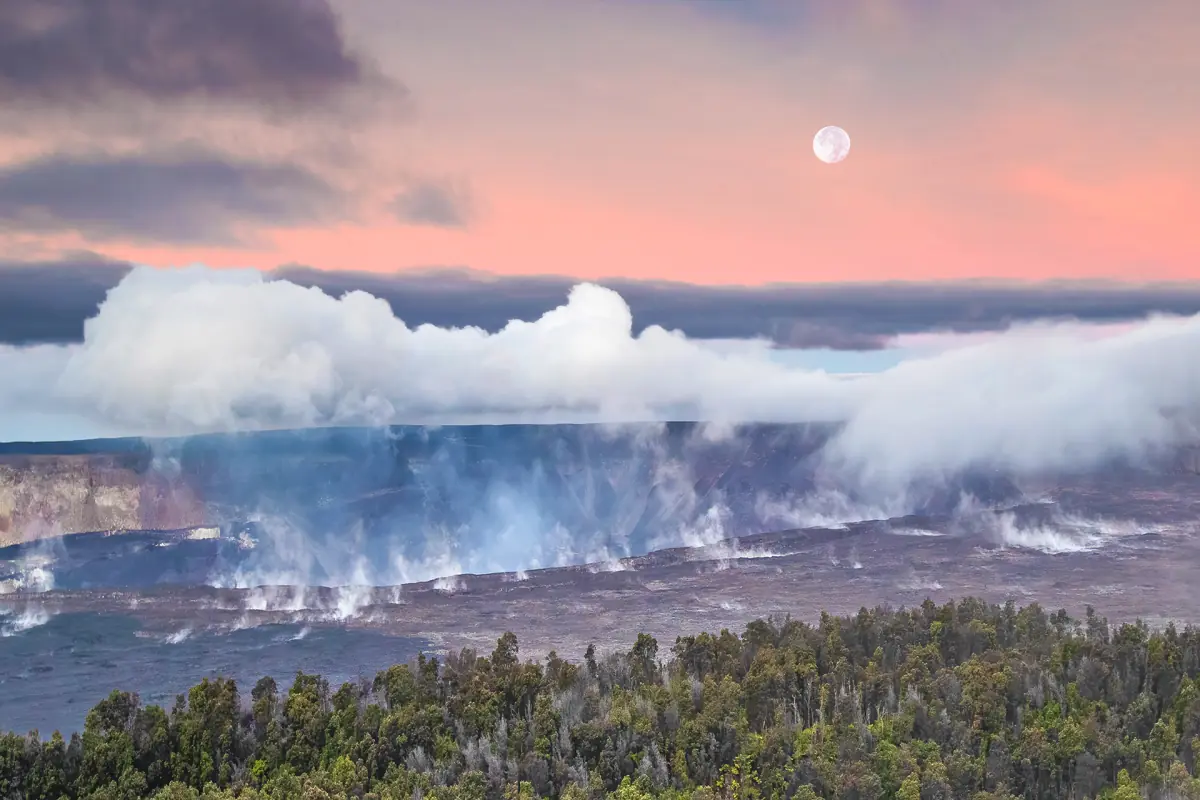
Most visits center on Kīlauea's summit crater, Halemaʻumaʻu, with viewpoints on Crater Rim Drive East, the Nāhuku lava tube, the Kīlauea Iki trail and the long drive down Chain of Craters Road to the coast. There is no public shuttle between the sights inside the park, so you come by car or on a tour. If you would rather not drive, the volcano tours from Hilo and Kona include transport and, on many of them, the park entry.
Entry fees and passes
Standard fees in 2026. Payment is cashless only.
| Ticket | Price | Who it covers |
|---|---|---|
| Private vehicle | $30 | The car and everyone inside it |
| Motorcycle pass | $25 | Up to 2 private motorcycles and 4 people in total |
| On foot or by bike | $15 | Per person from age 16; up to 15 free |
| Hawaiʻi Tri-Park pass | $55 | 12 months from the month of purchase; limited to US citizens and residents |
| America the Beautiful | $80 resident, $250 non-resident | Annual pass; check which price applies to you |
Free entry for children does not replace the vehicle pass. Save a digital pass offline before you arrive. For most visitors on a single trip, the $30 vehicle pass is the right ticket; frequent visitors to US parks do better with an annual pass if they qualify. Check the park notices before you go for any reservation rules.
Our pick: a guided park day
Park entry is part of this Hilo tour, so you only need to pick the day, and a local driver guide takes you to the stops.
Hand-picked tours, booked through GetYourGuide. Prices are indicative starting prices in US dollars (as of October 2026). Tap a tour for live availability and the current price in your currency.
Tours to Hawaii Volcanoes National Park
Volcano day trips from Hilo, full-day tours with pickup on the Kona coast and twilight tours with stargazing, with live prices and availability.
Kīlauea: crater, trails and drives
The main stops on the summit and the road to the sea.
Crater Rim Drive East
Crater Rim Drive East leads to Kīlauea Iki, Nāhuku, Devastation and Chain of Craters Road. A full drive around the crater is not possible, so plan your stops along this road.
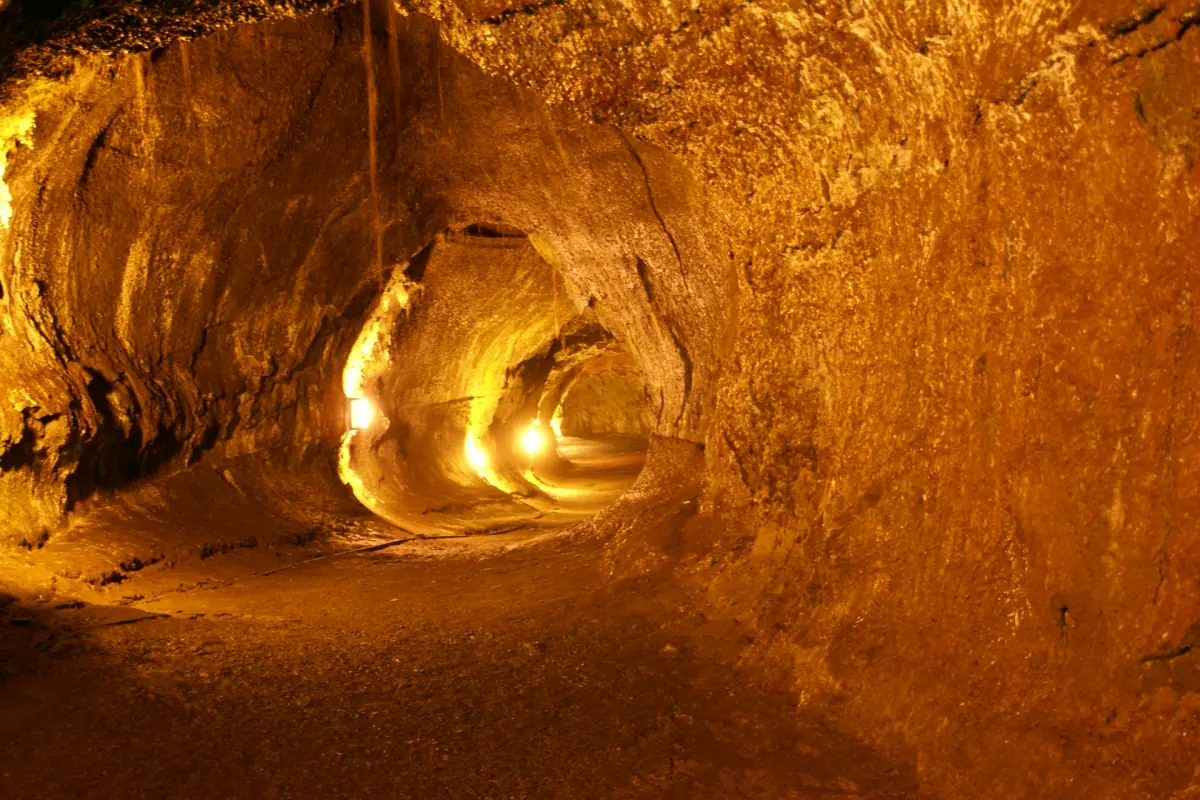
Nāhuku (Thurston Lava Tube)
A short walk leads through a lava tube. It is lit from 8 a.m. to 8 p.m.; outside those hours bring a flashlight. Do not touch the walls or the roots. When the small lot is full, park at the Kīlauea Iki Overlook rather than on the roadside.
Kīlauea Iki trail
The loop from the overlook is 5.3 km long and takes about 2 to 3 hours, with roughly 122 m down and back up again. It is rocky and steep in places and rated moderate to challenging. You walk across a solidified lava lake, not over flowing lava.
Chain of Craters Road
The road runs 18.8 miles (30.3 km) from the summit down to the coast and ends there; it is not a through road to Kalapana. There is no food, water or gas along the way, so fill up and pack water before you start.
Big Island volcano facts: the five volcanoes
The Big Island is built from five volcanoes, and Kīlauea is the one at the heart of the national park. Heights are rounded; other sources differ by a meter or two.
| Volcano | Height | Note |
|---|---|---|
| Mauna Kea | 4,207 m | Highest point of the island, home of the observatories |
| Mauna Loa | 4,169 m | Last erupted in 2022; the eruption was declared over on 13 December 2022 |
| Hualālai | 2,523 m | Its slopes carry part of the Kona coffee belt; last eruption 1800/1801 |
| Kohala | 1,670 m | Height may differ from newer measurements |
| Kīlauea | 1,247 m | Episodic summit eruption since 23 December 2024 |
Eruption, pauses and vog
Kīlauea has been erupting in episodes at Halemaʻumaʻu since 23 December 2024, with pauses between them. The activity lies inside a closed area of the park. An eruption does not mean you can walk up to lava, and a pause can end or continue without warning. No guide, tour or viewpoint can promise glowing lava on a given day.
Volcanic gas is a hazard even during pauses. Sulfur dioxide and the vog it forms can cause breathing problems, and the wind decides where it drifts. An open park is no guarantee of good air. If you have heart or lung conditions, take the hazard notes seriously. Check the current updates from the NPS and the USGS Hawaiian Volcano Observatory on the day of your visit.
Drones may not take off, land or fly from park land or water without written permission. Respect every warning sign and barrier, and leave rocks where they are.
Visitor center, museum and the sea arch
What has changed since 2025.
Temporary welcome center
The Kīlauea Visitor Center, its restrooms, the walkway and about half of its parking have been closed since 18 February 2025, with reopening planned for the end of 2026. Use the welcome center at Kilauea Military Camp, open daily from 9 a.m. to 4:45 p.m., with parking at the ball field and portable restrooms.
No more Jaggar Museum
The building has been removed and will not be rebuilt. Construction on Tree Molds Road and fewer parking spaces at the summit can cause delays, so arrive early on busy days.
The Hōlei Sea Arch is gone
The arch at the end of Chain of Craters Road collapsed between 23 and 27 September 2026. The road still leads down to the coast, but there is no arch left to photograph.
Kahuku Unit
This separate section of the park is open Thursday to Sunday from 8 a.m. to 4 p.m. and closed Monday to Wednesday.
A day in the park: a simple plan
Arriving from Hilo, you can see the summit viewpoints, Nāhuku and a short walk in half a day and still drive Chain of Craters Road in the afternoon. From Kailua-Kona the drive alone takes 2 to 2.5 hours each way, so plan a long day or spend a night in Hilo or Volcano Village; the where to stay page compares the areas. Bring water, a rain jacket and a warm layer. A helicopter flight over the park is another option: flight rules keep air tours away from the Kīlauea summit, as explained on the helicopter tours page.
Hawaii Volcanoes National Park: frequently asked questions
How much is the entry fee for Hawaii Volcanoes National Park?
$30 per private vehicle including all passengers, $25 for the motorcycle pass and $15 per person on foot or by bike from age 16 (2026). Children up to 15 enter free. Only cashless payment is accepted.
Is the park open at night?
Yes, the main park is open 24 hours a day. The welcome center keeps its own hours, 9 a.m. to 4:45 p.m., and Nāhuku is lit from 8 a.m. to 8 p.m. Bring a flashlight for the lava tube at other times.
Will I see lava?
There is no guarantee. Kīlauea erupts in episodes with pauses between them, and the eruption site is in a closed area. Check the NPS and USGS updates on the day and plan the visit around the craters, trails and lava fields.
How long does the Kīlauea Iki hike take?
About 2 to 3 hours for the 5.3 km loop from the overlook, with roughly 122 m down to the crater floor and back up. Wear sturdy shoes and carry water.
Can I visit from Kona in one day?
Yes, but it is a long day: about 2 to 2.5 hours each way on the southern route. A full-day volcano tour with pickup on the Kona coast saves you the drive.