
Things to do on the Big Island: where to start
Things to do on the island of Hawaiʻi fall into three areas. The west side around Kailua-Kona is dry, with snorkel bays, coffee farms and the night trips to see manta rays. The east side around Hilo is wet, with waterfalls, gardens and the shortest drive to the volcano. Between them rise Mauna Kea and Mauna Loa.
Distances are real here. From Kailua-Kona to Hawaiʻi Volcanoes National Park you drive 2 to 2.5 hours, from Hilo about 45 minutes. If you do not want to drive across the island, guided Big Island tours cover the volcano, Hilo and the coast in a day. Big Island activities on the water, from snorkeling to whale watching, mostly start on the Kona side.
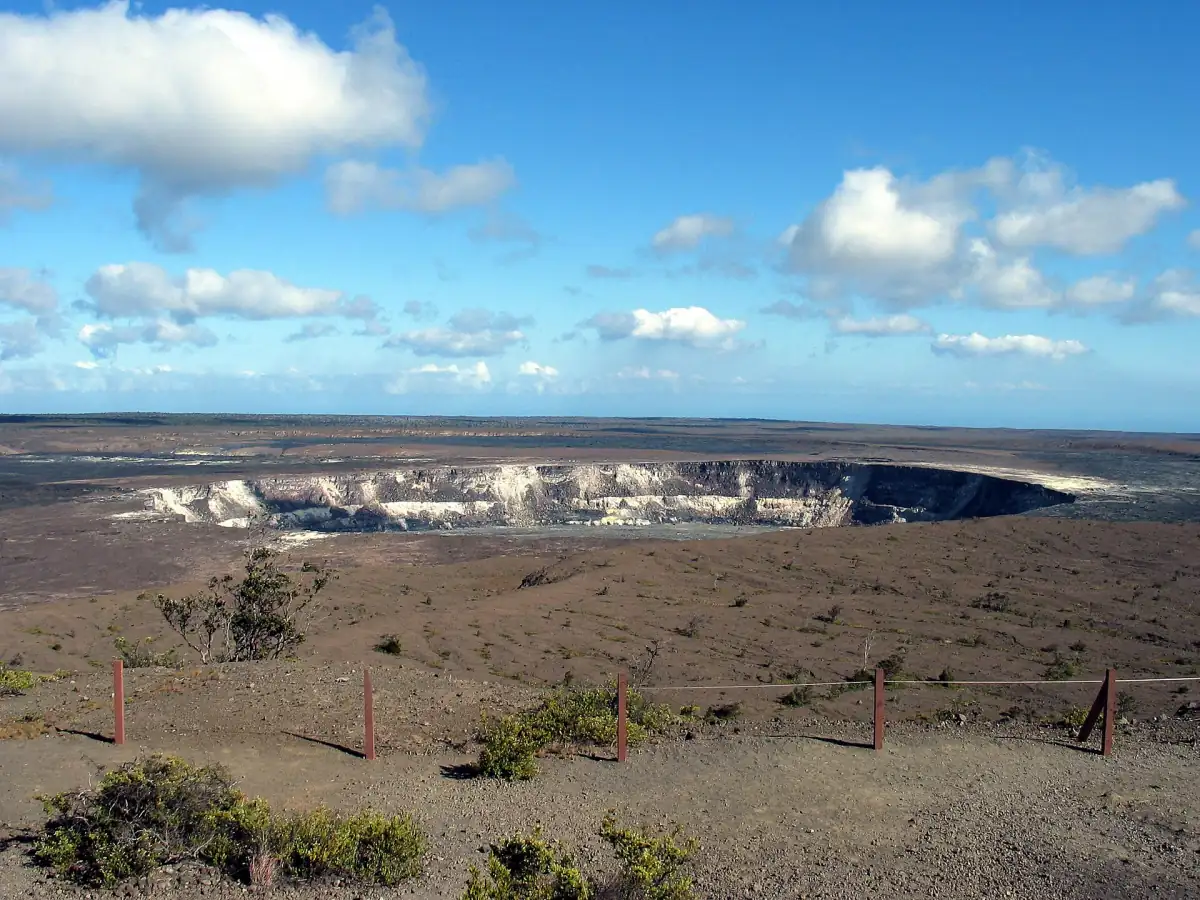
Big Island attractions in Hawaiʻi Volcanoes National Park
Lava is never guaranteed; the craters, trails and lava fields are the reason to go.
Kīlauea Iki trail
The loop from the Kīlauea Iki Overlook is 5.3 km and takes about 2 to 3 hours, with a descent and climb of about 122 m. It crosses a solidified lava lake. The park rates it moderate to challenging.
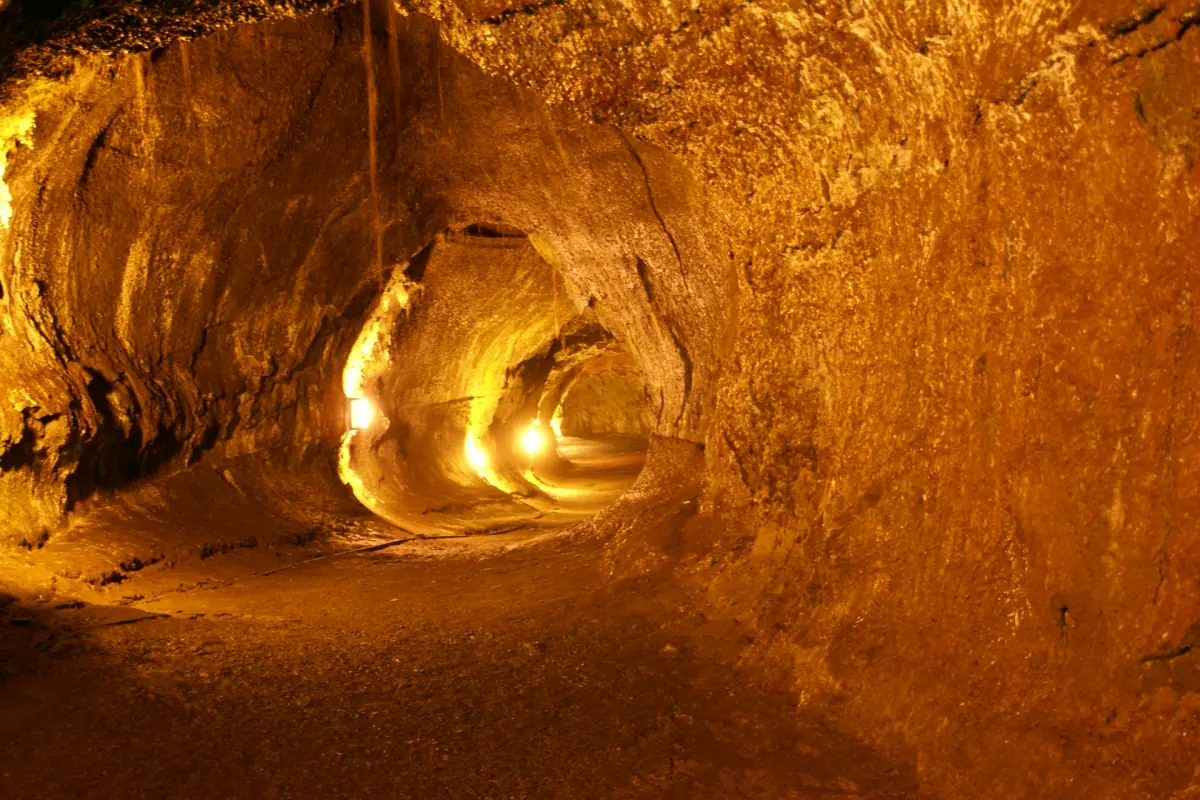
Nāhuku (Thurston Lava Tube)
A short walk leads through a lava tube that is lit from 8 a.m. to 8 p.m. Outside those hours bring a light. Do not touch the walls or roots.
Chain of Craters Road
The road runs 18.8 miles (30.3 km) down to the coast and ends there. There is no food, water or fuel along it. The Hōlei Sea Arch at the coast collapsed in September 2026 and is gone.
Visitor center
The Kīlauea Visitor Center is closed for renovation, with reopening planned for the end of 2026. A temporary welcome center at Kilauea Military Camp is open daily from 9 a.m. to 4:45 p.m.
National park guide →Our pick: a day around the island
This small-group day ties the main stops together, so it is a good fit when you do not want to plan the drives.
Hand-picked tours, booked through Viator. Prices are indicative starting prices in US dollars (as of October 2026). Tap a tour for live availability and the current price in your currency.
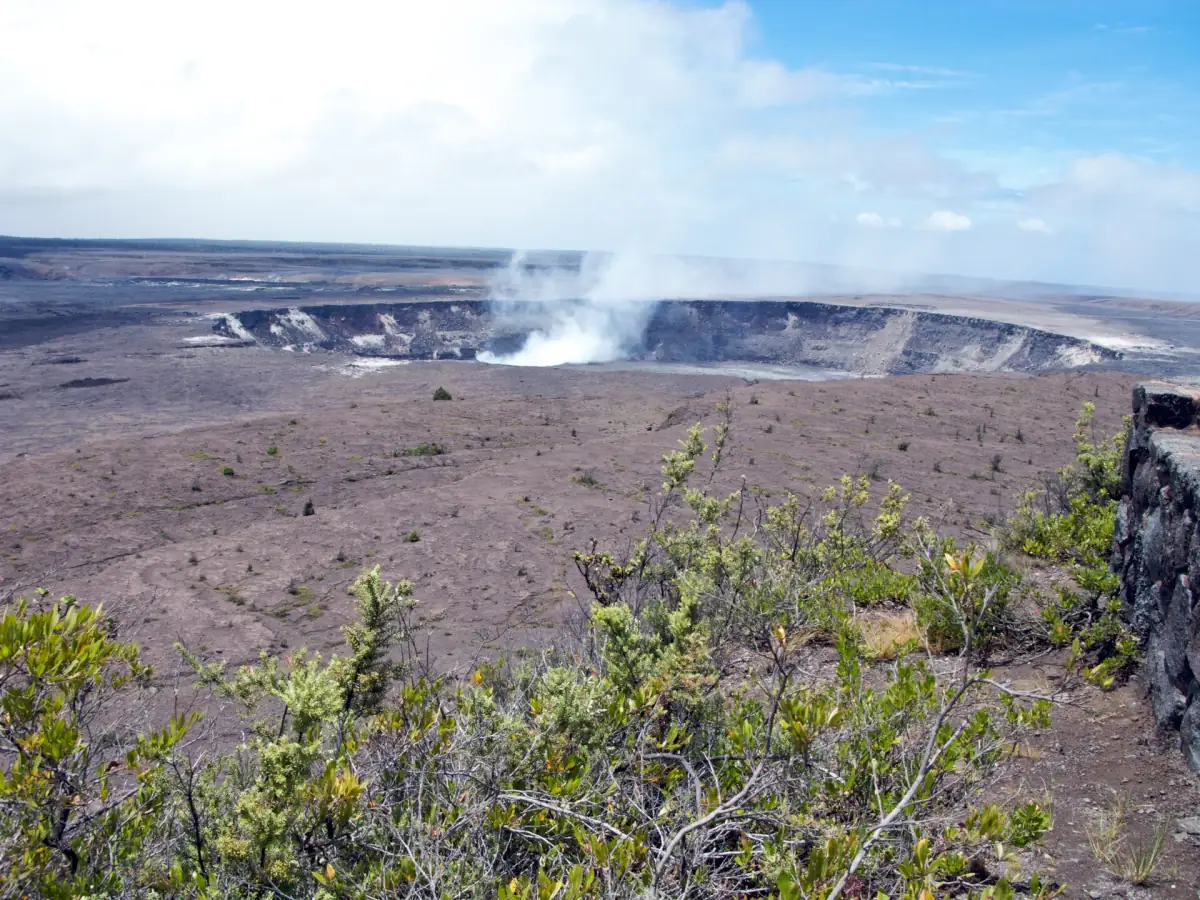
Big Island tours and activities
Volcano tours, manta ray snorkeling, boat trips and summit tours on Mauna Kea, with live prices and availability.
Puʻuhonua o Hōnaunau
A national historical park on Hōnaunau Bay.
Puʻuhonua o Hōnaunau is a national historical park with royal grounds by the sea. Entry costs $20 per private vehicle with up to 8 people, $15 for a motorcycle and $10 per person on foot or by bike from age 16; children up to 15 enter free (2026). Passes are valid 7 days, and payment is cashless.
The royal grounds at Keoneʻele are not a place to swim or to enter with snorkel gear. The popular snorkel entry known as Two Step lies outside the park at the Hōnaunau Bay boat launch, so treat the park and the snorkel spot as two separate visits. More on the bays in our snorkeling guide.
Kealakekua Bay and Kailua-Kona
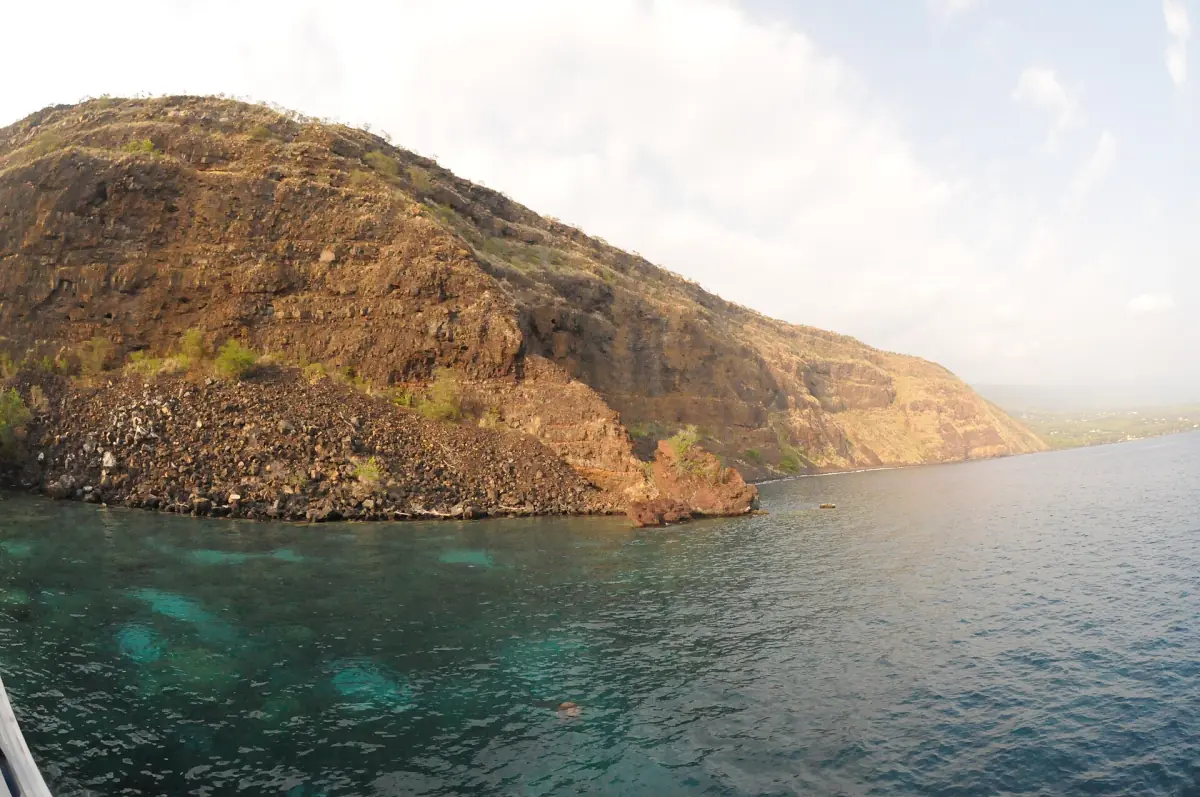
Kealakekua Bay State Historical Park is open daily from 7 a.m. to 8 p.m. and is free. The Captain Cook Monument stands on the far side of the bay. You reach it on the historic Kaʻawaloa Trail or on a permitted guided kayak tour; every boat in the bay, including rented kayaks, needs a valid state parks permit. Toilets are only in the Nāpōʻopoʻo area. See our Kealakekua Bay guide.
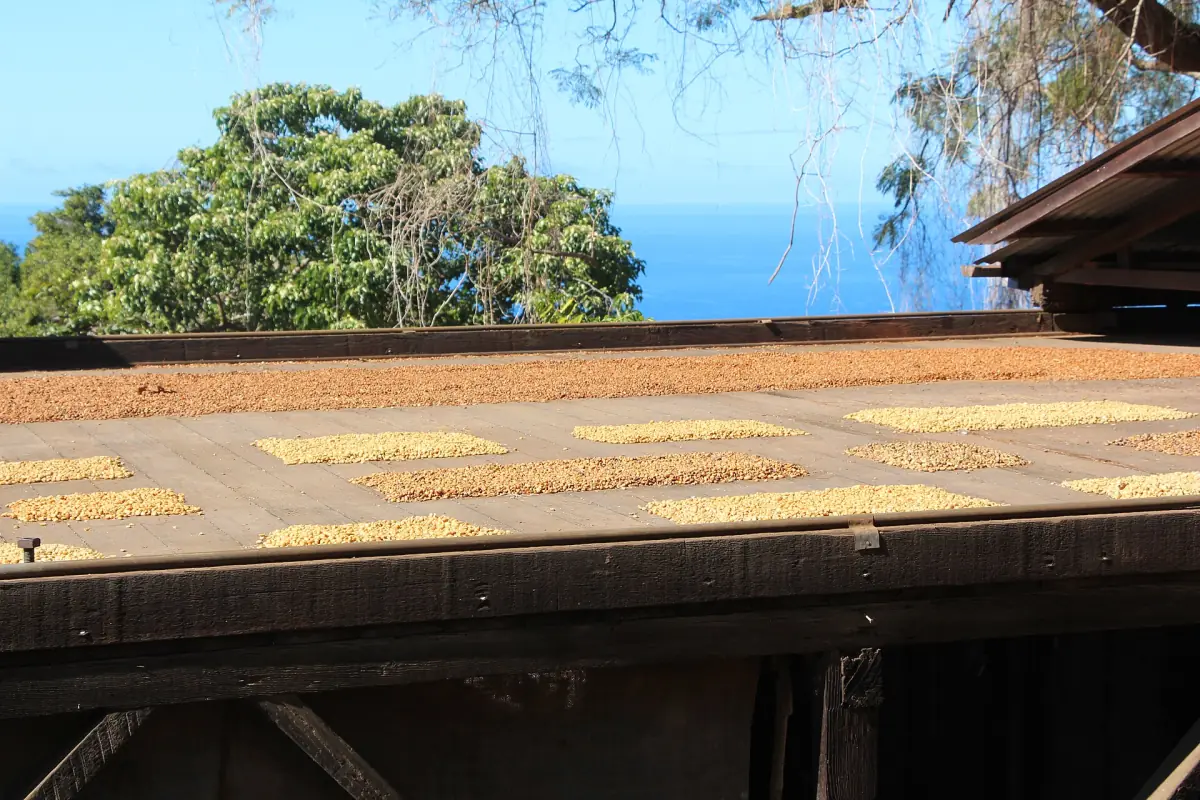
In Kailua-Kona, Huliheʻe Palace on Aliʻi Drive opens Wednesday to Saturday from 10 a.m. to 3 p.m.; self-guided entry for non-resident adults costs $16 (2026). Kona coffee grows on the slopes of Hualālai and Mauna Loa, and the coffee cherries ripen from August to January. After dark, the manta ray night snorkel leaves from the Kona Coast; sightings are never guaranteed.
Waipiʻo Valley lookout
A view from the top, not a drive to the bottom.
Waipiʻo Valley is a view from the lookout at its rim. The road down into the valley is restricted: no pedestrians, 4WD only and limited access. Do not plan to walk down or to drive a normal rental car into the valley, and check the current rules before you go.
Pololū Valley
A valley to check before you go.
Access to the trail at Pololū Valley has been restricted in 2026, so do not assume the trail is open. Check the current state of the trail and the lookout before you drive out, and treat Pololū as an optional stop rather than the main goal of a day.
Punaluʻu: black sand and sea turtles
Punaluʻu is known for its black sand, and you may see green sea turtles there, though nobody can promise them. Stay at least 10 feet (3 m) from turtles on land and in the water, and at least 50 feet (15 m) from monk seals. Lifeguards are on duty daily from 9:30 a.m. to 4:45 p.m.
Farther south near South Point, Papakōlea owes its green color to olivine. Plan it as a hike of about 2.5 miles each way, 2 to 3 hours there and back, sunny and exposed, with no lifeguard and no water. On every beach, leave sand, dead coral and coral rubble where they are: taking them is prohibited statewide. See Big Island beaches.
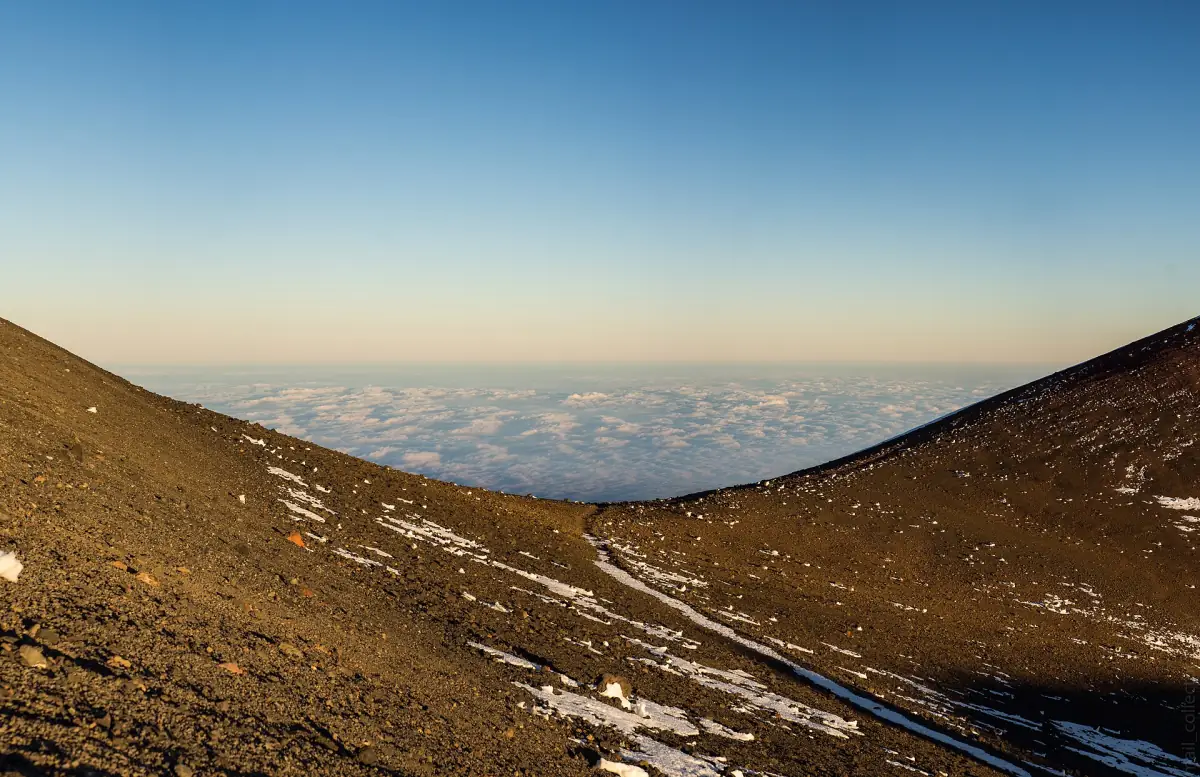
Hilo: waterfalls, gardens and museums
Waterfalls, a garden and two museums.
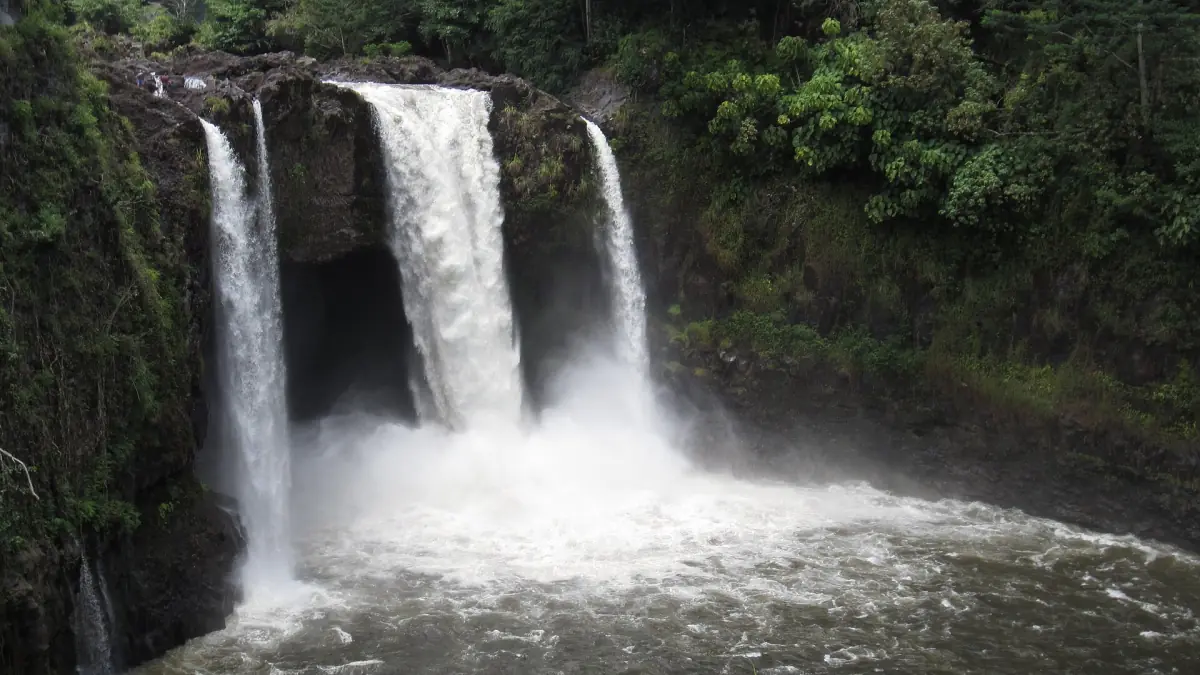
Rainbow Falls
The roughly 80-foot waterfall in Wailuku River State Park is open daily from 7 a.m. to 5:30 p.m. Since January 2026 non-residents pay $5 per person plus $10 per private vehicle. A viewpoint is not a swimming spot.
ʻAkaka Falls
The 442-foot waterfall sits on a 0.4-mile loop with steps, not wheelchair accessible. Hours are 8:30 a.m. to 5 p.m.; non-residents pay $5 per person and $10 per vehicle (2026). Parts of the loop can close after storms.
Liliʻuokalani Gardens
A Japanese-style garden on Banyan Drive by Hilo Bay, free and open 24 hours, dedicated in 1917 to honor Japanese immigrants who worked in the sugar fields.
Museums and market
ʻImiloa has exhibits and a planetarium (adults $19, closed Mondays). The Pacific Tsunami Museum charges $15 for adults; check its current hours. The Hilo Farmers Market has its big days on Wednesday and Saturday.
Hilo guide →Big Island things to do by interest
Pick by what you enjoy.
| Interest | Where | Good to know |
|---|---|---|
| Volcanoes and hiking | Hawaiʻi Volcanoes National Park | $30 per vehicle; no lava guarantee |
| Hawaiian history | Puʻuhonua o Hōnaunau, Huliheʻe Palace | No swimming in the royal grounds |
| Snorkeling | Kealakekua Bay, Kahaluʻu | Do not touch corals or turtles |
| Waterfalls | Rainbow Falls, ʻAkaka Falls | Fees for non-residents since 2026 |
| Night sky | Mauna Kea | Summit closes 30 minutes after sunset |
| Black and green sand | Punaluʻu, Papakōlea | Papakōlea only on foot |
On a first visit to Hawaii's Big Island, one day at the volcano and one day on the Kona Coast make a sensible core. For most travelers with a week, that leaves time for Hilo's waterfalls and an evening on Mauna Kea. If you continue to another island, see things to do on Maui.
Plan the rest of your trip
Each area in more detail.
Hawaiʻi Volcanoes National Park
Fees, trails and what is open.
Kailua-Kona
Aliʻi Drive, the palace and coffee farms.
Hilo
Waterfalls, gardens and museums.
Big Island beaches
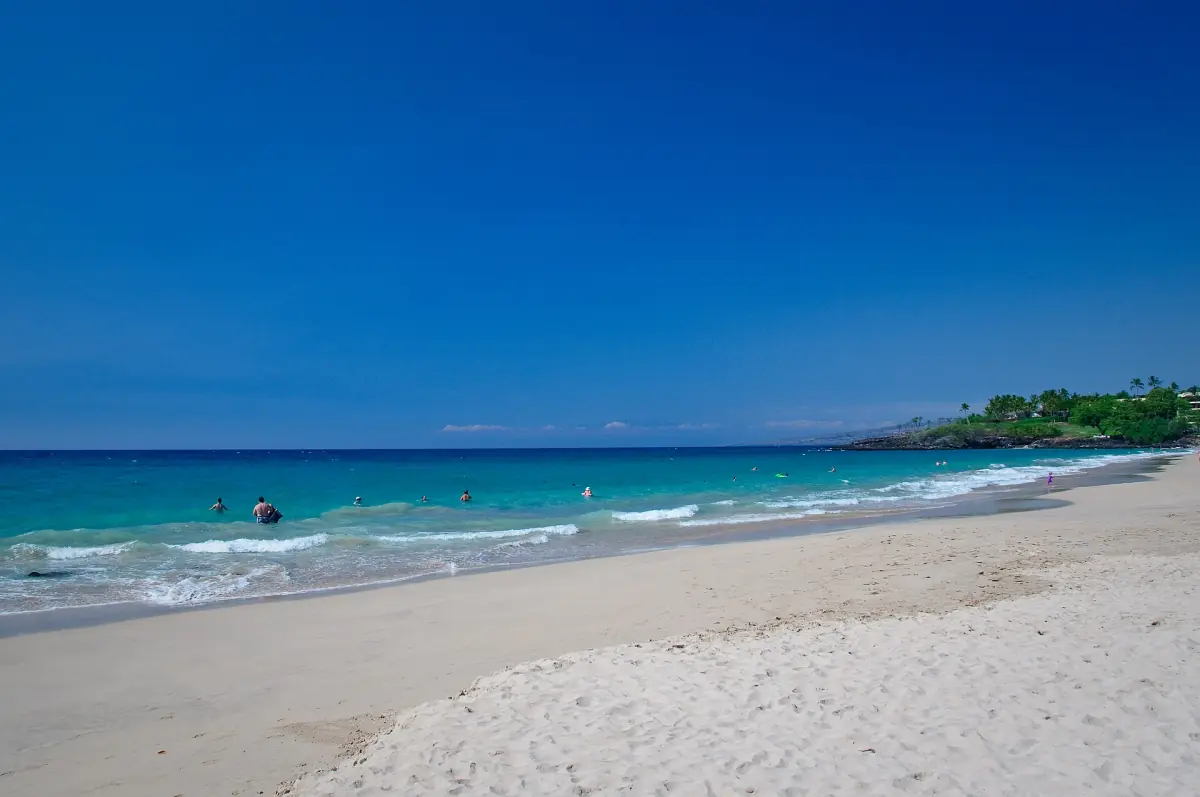
Magic Sands, Hāpuna and black sand.
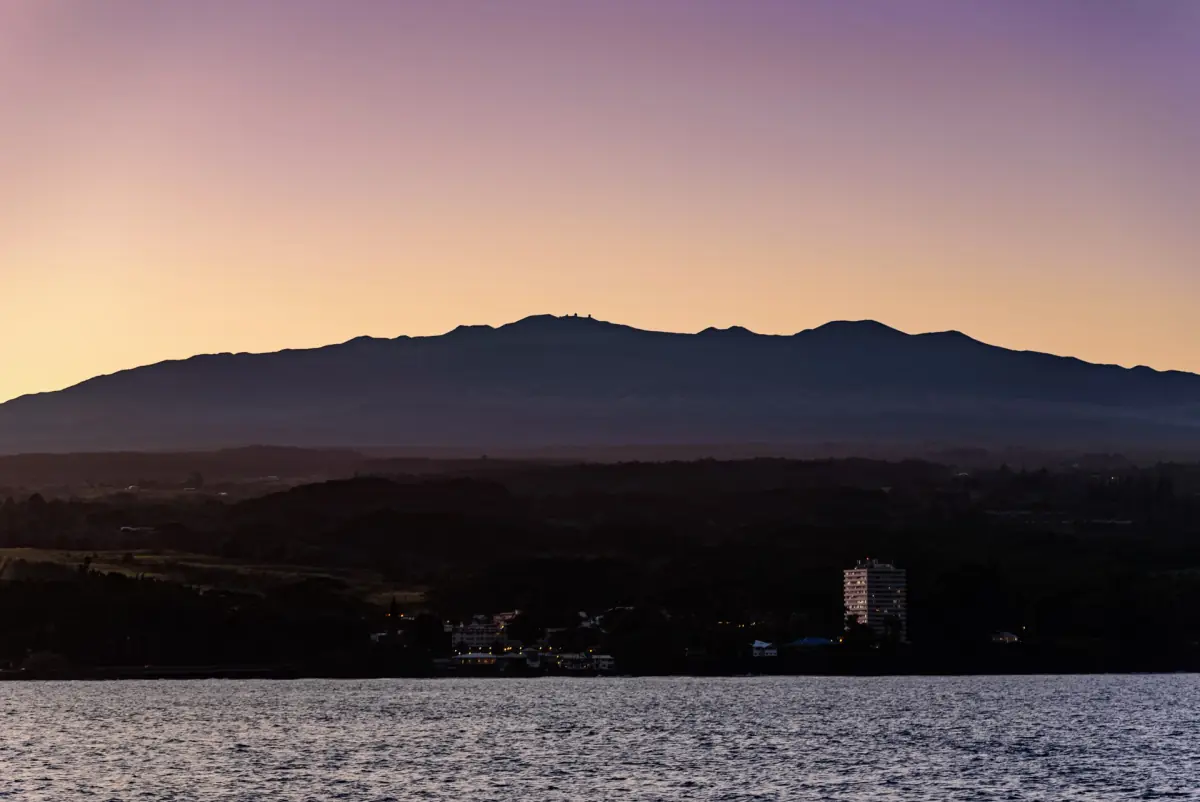
Mauna Kea
Sunset and stargazing tours.
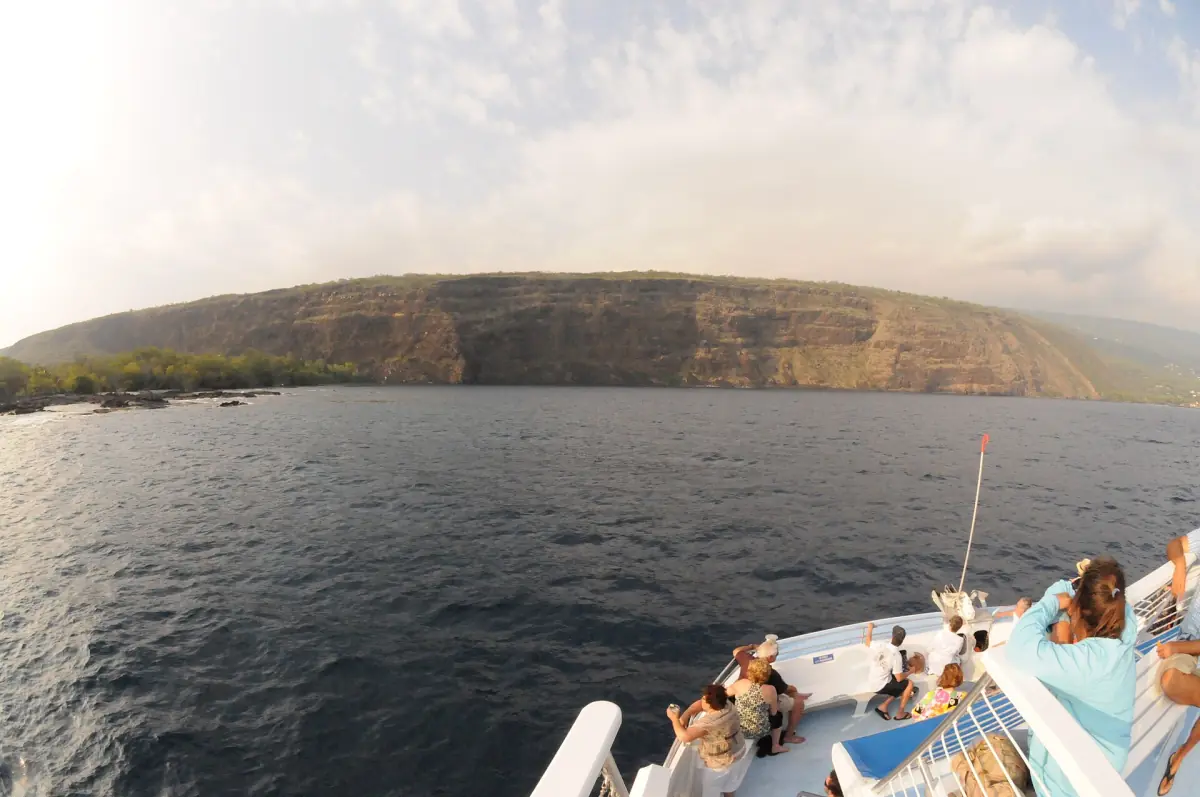
Big Island history
Kamehameha, Captain Cook and the volcanoes.
Things to do on the Big Island: frequently asked questions
How many days do I need for the Big Island?
Plan at least one full day for the national park and one for the Kona Coast. The drive from Kailua-Kona to the park alone takes 2 to 2.5 hours each way, so the volcano and the west side do not fit comfortably into one day on your own.
Can I drive down into Waipiʻo Valley?
Not as a visitor in a normal rental car. The valley road is restricted to 4WD vehicles, with no pedestrians, and access is limited. The lookout at the top is the place to see the valley.
Is the Hōlei Sea Arch still there?
No. The sea arch at the end of Chain of Craters Road collapsed in September 2026.
Do I have to pay at Rainbow Falls and ʻAkaka Falls?
Yes, if you are not a Hawaii resident. Both charge $5 per person and $10 per private vehicle (2026); residents with ID enter free, and children up to 3 are free.
Where can I see sea turtles?
You may see green sea turtles at Punaluʻu or while snorkeling, but sightings are not guaranteed. Keep at least 10 feet (3 m) away and never touch them.