
Mauna Kea at a glance
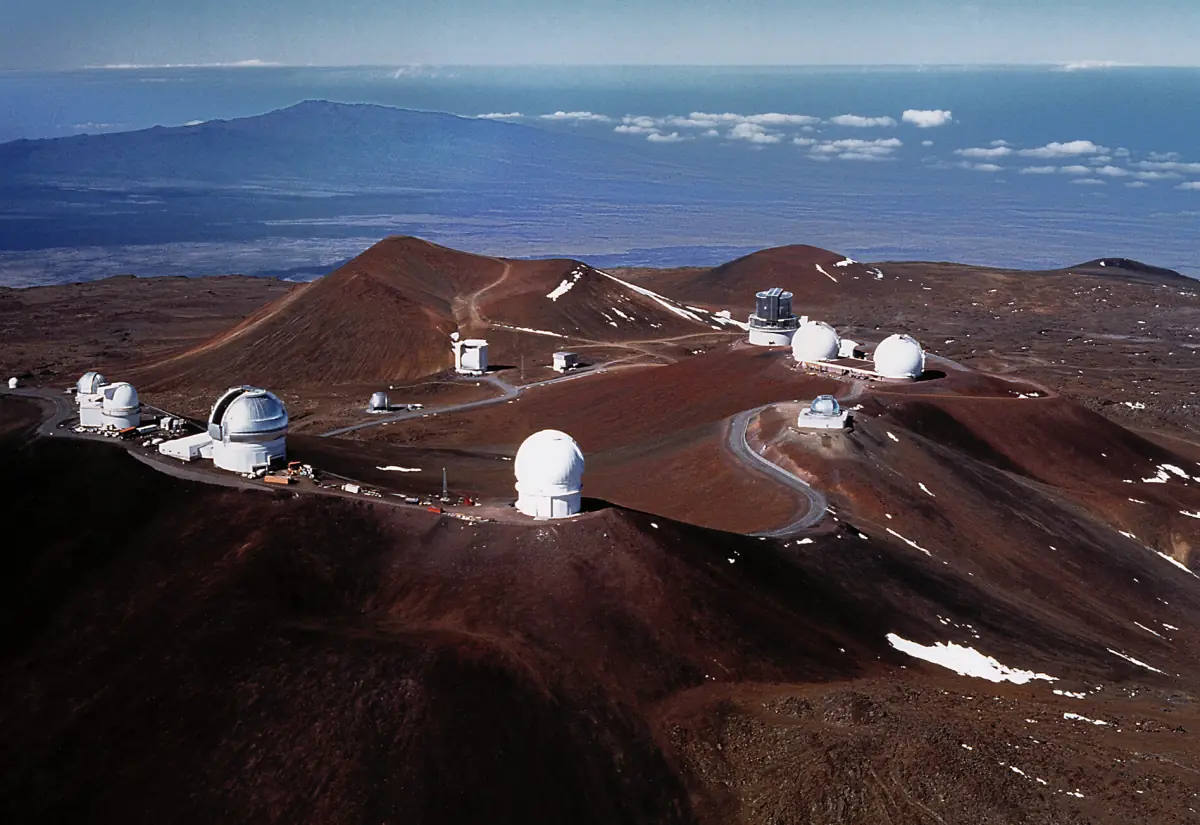
Mauna Kea, also written Maunakea, is the highest volcano on the Big Island at 4,207 m. Its summit holds a cluster of research observatories, and many visitors come for sunset and the night sky. The mountain is dormant, not a place with lava.
Most visitors see it in one of two ways. A guided summit tour drives you up in a 4x4 van for sunset and then stops lower down for stargazing. Or you drive yourself to the Visitor Information Station at 2,804 m, which needs no special vehicle. The road above the station is a different matter, and the summit has strict evening rules: the visitor area closes 30 minutes after sunset and reopens 30 minutes before sunrise.
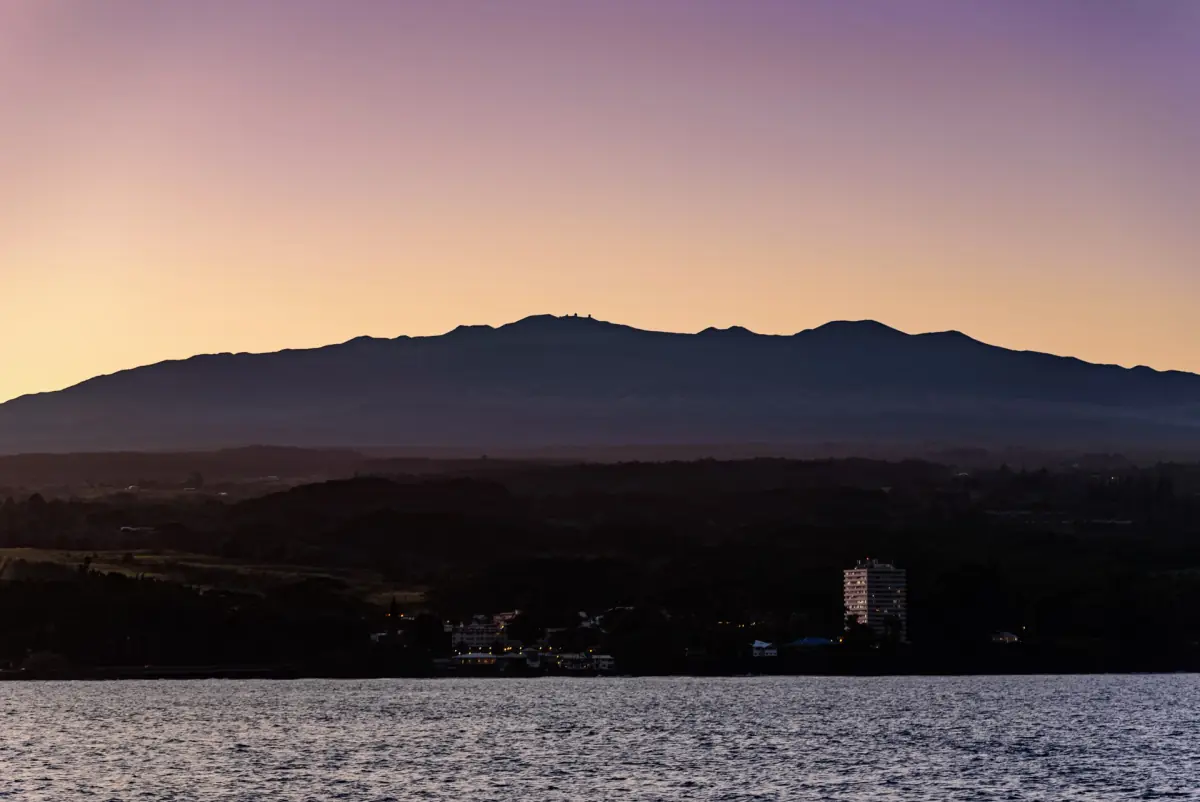
Our picks: Mauna Kea summit tours
Take the tour for guests aged 16 to 70 if you want a telescope and a photo, and one of the others if you prefer snacks and a hot drink on a longer evening. None of them goes inside the observatories.
Hand-picked tours, booked through GetYourGuide and Viator. Prices are indicative starting prices in US dollars (as of October 2026). Tap a tour for live availability and the current price in your currency.
Mauna Kea summit sunset with telescope and photo
- Summit admission
- Parka, trousers and gloves
- Telescope and photo
A 4x4 van to the summit, parka, trousers and gloves, a sandwich, a hot drink, a telescope and a free DSLR photo. Guests must be 16 to 70, and the tour does not go inside the observatories.
Check availability →Mauna Kea summit, sunset and stargazing
- Parkas and gloves
- Snacks and hot chocolate
- Free night photos
Warm parkas and gloves, snacks and hot chocolate come with the tour, and the night photos reach you by email. Clouds decide how much sky you see.
Check availability →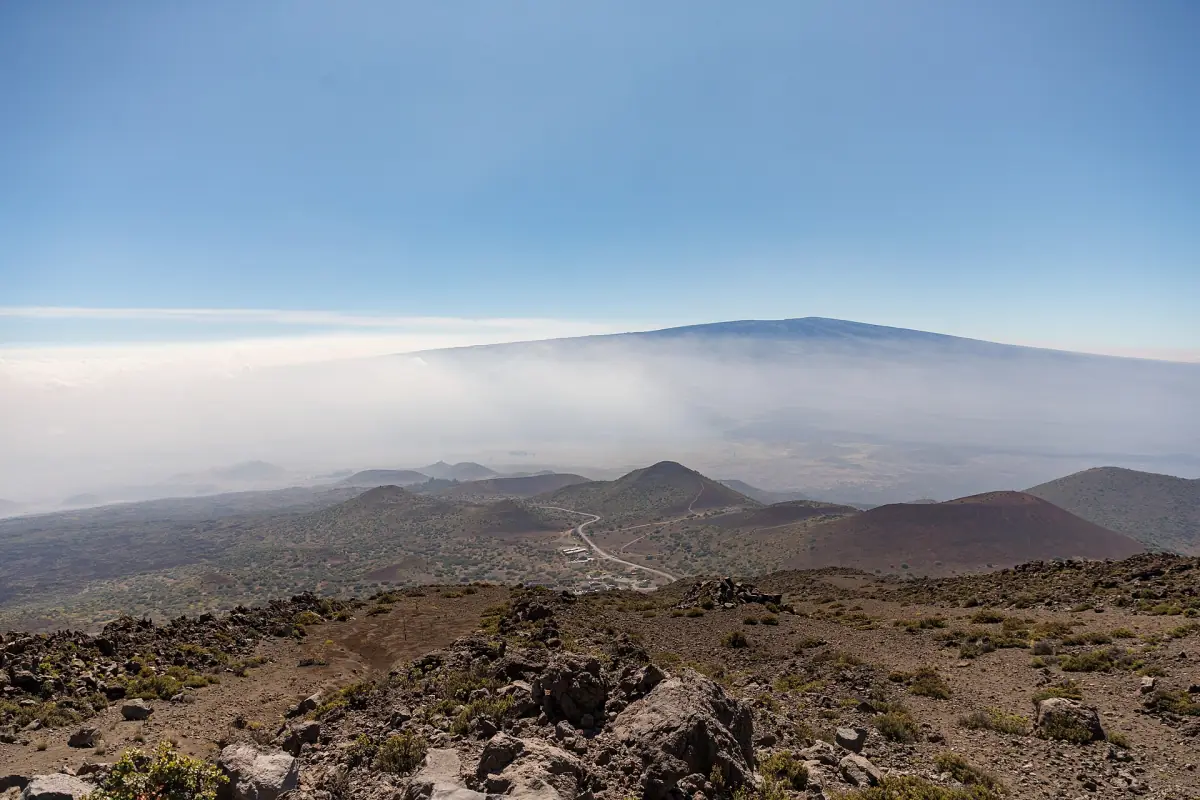
Mauna Kea summit, sunset and stars in a 4x4
- 4x4 van to the summit
- Jackets and gloves
- Free night photo
An experienced guide, a 4x4 van, jackets, gloves, snacks and a hot drink, plus a free night photo. The telescope is used when the weather allows.
Check availability →Mauna Kea summit and stargazing tours
Summit sunset trips with stargazing, warm clothing and transport by 4x4 van, with live prices and availability.
Big Island observatory tours: what the trip includes
The tours follow a similar pattern. The details differ by tour.
Summit at sunset
The van climbs above the Visitor Information Station and reaches the summit area in time for sunset among the observatory domes. Because the visitor area closes 30 minutes after sunset, the stay at the top is short and tied to the sun, not to the stars.
Stargazing lower down
After sunset the group drives back down the mountain. Stargazing happens at a lower spot with a telescope brought by the guide, usually with a laser pointer tour of the sky. Some tours run around two hours of stargazing. Clouds and the moon decide how much you see, so the telescope is weather permitting.
Warm clothing and food
Hooded parkas and gloves are part of almost every tour, and one tour adds ski trousers. Hot chocolate, coffee or tea and snacks are common. Some tours serve a sandwich, a picnic dinner or a hot dinner at the station; others do not include dinner.
Length and starting points
Plan roughly 5 to 9 hours. Tours pick up at set points on the Kona and Waikoloa side, start from the Hilo side, or meet you at the Visitor Information Station. Pickup is usually from selected locations, not every hotel, and the meeting time can differ from the start time shown online.
Photos
Several tours include a free night photo of you under the stars, sent by email afterwards. Shorter photography outings of about two hours also exist and meet on the slopes of Mauna Kea or Mauna Loa.
Can you go inside the observatories?
No. The observatories on the summit are not open to the public, and you cannot use the research telescopes. Subaru Telescope has ended its public summit facility tour program. Summit tours do not go inside the observatories. You see the domes from outside, at sunset.
If you want to learn about the astronomy behind them, ʻImiloa in Hilo has exhibits and a planetarium (adults $19, 2026). It is covered in our Hilo guide. Ticket prices there do not include the summit.
Mauna Kea tour from Hilo, from Kona or on your own
Three ways to plan the evening.
| Option | Summit at sunset | Stargazing | What you need |
|---|---|---|---|
| Tour from the Kailua-Kona or Waikoloa side | Yes, by 4x4 van | Telescope, lower down | A long evening; pickup at set points |
| Tour from the Hilo side or meeting at the station | Yes, by 4x4 van | Telescope, lower down | Your own drive to the meeting point if you meet at the station |
| Self drive to the Visitor Information Station | No, unless you have a suitable 4WD | Naked eye; telescope only at the monthly event | A car, warm clothes, time to acclimatize |
For a Mauna Kea tour from Hilo, the drive to the station is shorter than from the west side, and you should fill up before you go. Tours from the Kona side are long evenings. For most first-time visitors a guided tour is the simplest way to see the summit at sunset, because it solves the vehicle question and brings warm clothing and a telescope.
Visiting on your own: the Visitor Information Station
The Onizuka Center for International Astronomy Visitor Information Station is the usual stop for independent visitors.
Hours and cost
The station is open daily, normally from 9 a.m. to 9 p.m. Hours can change, so check the current hours before you drive up. A normal visit needs no registration, and there is no entry or parking fee.
Evening programs
There are no public telescopes in the normal evening program; the daily telescope program ended in 2019. After dusk, staff may give laser talks, depending on weather and staffing. A free monthly telescope event has limited places and needs a reservation.
The road above the station
Above the station you need a 4WD with low range. Check the current vehicle rule before you go, and check that your rental agreement allows the summit road as well. Saddle Road, Highway 200, is a separate road and not the summit road.
Car rental and arrival →Altitude, age and health
The summit lies more than 4,000 m above the coast.
Acclimatize
Stop at least 30 minutes at the station before going higher. If you feel symptoms of altitude sickness, go back down.
Who should not go higher
The mountain's safety advice discourages children under 13, pregnant women and people with heart or breathing problems from going above the station. After scuba diving, wait 24 hours.
Tour age limits
Tours set their own limits. One summit tour accepts guests only from 16 to 70 years. Check the age rule on the tour before you book for a family.
Cold and frost
Frost and winter conditions are possible on Mauna Kea at any time of year. Coastal weather tables tell you nothing about the summit. See the best time to visit for the coast.
A sacred mountain
Maunakea has a meaning beyond astronomy.
In Hawaiian culture Maunakea is a sacred mountain, the realm of the gods. Visitors are advised not to drive beyond the Visitor Information Station, partly out of respect for the place. Whatever you choose, behave as you would at any sacred site: stay quiet, take nothing and leave nothing behind. The mountain is managed under the Mauna Kea Stewardship and Oversight Authority, and the existing visitor rules still apply.
If you also travel to Maui, its own high volcano is covered at Haleakalā on Maui.
Plan the rest of your trip
Where Mauna Kea fits in.
Mauna Kea: frequently asked questions
Can you stargaze on the summit of Mauna Kea?
No. The summit visitor area closes 30 minutes after sunset. Visitors who want to stargaze are asked to drive down to a lower level. Tours do the same: sunset at the top, stars lower down.
Can you visit the observatories on a Big Island observatory tour?
You see them from outside. The observatories are not open to the public, and summit tours do not go inside. ʻImiloa in Hilo is the place for exhibits and a planetarium.
Do I need a 4WD to visit Mauna Kea?
Not for the Visitor Information Station at 2,804 m. Above the station you need a 4WD with low range. Your rental agreement must also allow the road.
Are there telescopes at the visitor station?
Not every night. The daily public telescope program ended in 2019. A free monthly telescope event needs a reservation, and laser talks after dusk depend on weather and staff.
How cold is it on Mauna Kea?
Cold enough for frost at any time of year. Tours lend parkas and gloves; if you drive yourself, bring warm layers even in summer.
Can children join a Mauna Kea summit tour?
The safety advice discourages children under 13 from going above the station, and tours set their own limits, in one case 16 to 70 years. Families with younger children can visit the station itself.